-
Permian Pipeline Bottlenecks?
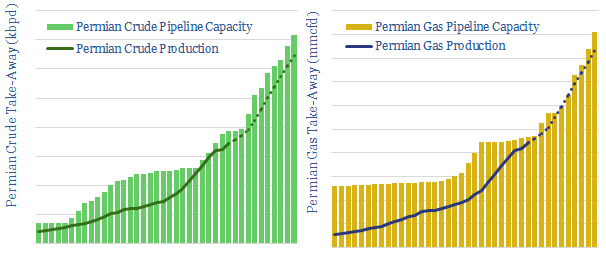
This data-file tracks 50 oil and gas pipelines in the Permian basin — their route, their capacity and their construction progress — in order to assess the severity of pipeline bottlenecks. Oil bottlenecks are moderate, but will ease into 2020. Gas bottlenecks are more severe and remain so.
-
Dreaming of Electric Frac Fleets?
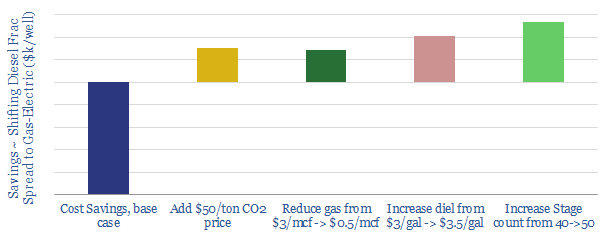
In 2019, the virtues of switching diesel-powered frac fleets to gas-powered electric have been extolled by companies such as EOG, Shell, Baker Hughes, Halliburton, Evolution and US Well Services.
-
New Risers for pre-salt Brazil?
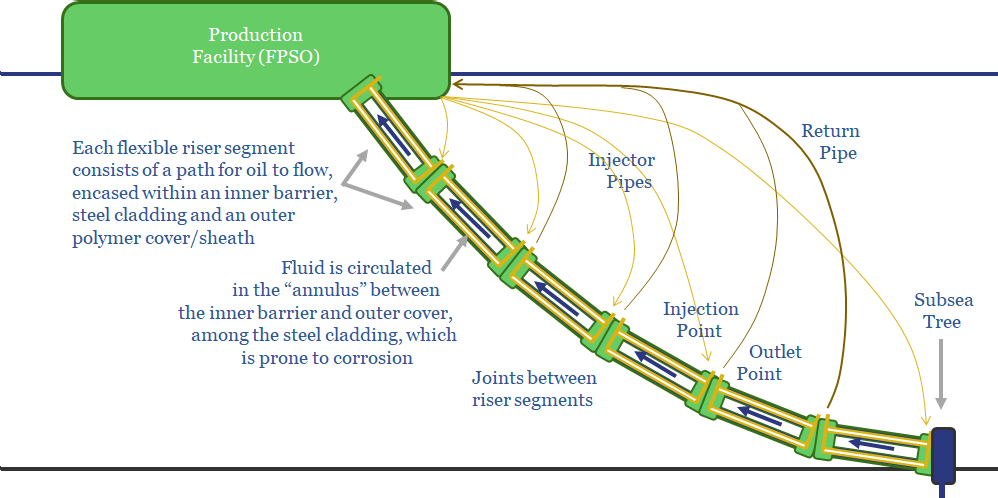
Petrobras has patented next-generation riser designs, to handle sour-service crude from pre-salt Brazil. This is needed after riser-failures at Lula. But complexity is an order of magnitude higher for Petrobras’s new solution. A simpler alternative is the growing potential from thermo-plastic composite pipe.
-
TOTAL’s Plastic-Recycling Progress?
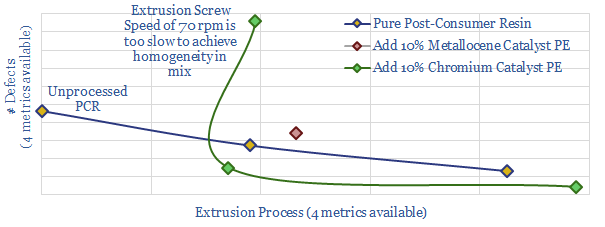
TOTAL is currently pioneering the greatest advances in plastic-recycling technologies among the Majors, based on our database of 3,000 patents. This data-file covers its comprehensive inter-mixing of chromium-catalysed polyethylene, to reduce defects and increase the strength of post-consumer resins. In turn, this extends their use to films, containers and pipes.
-
Well-by-well optimisation?
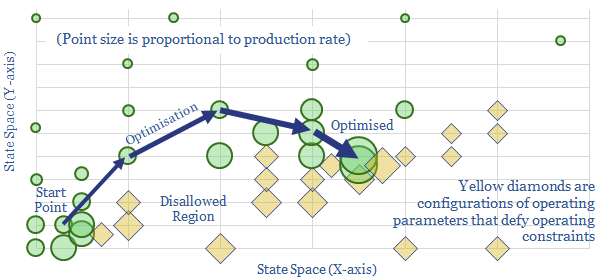
Well-by-well production optimisation can uplift mature fields’ output 5-20%. This data-file summarises the methodology employed by BP, which has filed the most detailed patent we have seen on the topic, from our screen of 3,000 patents around the industry.
-
Power Trains? Electric, diesel or hydrogen
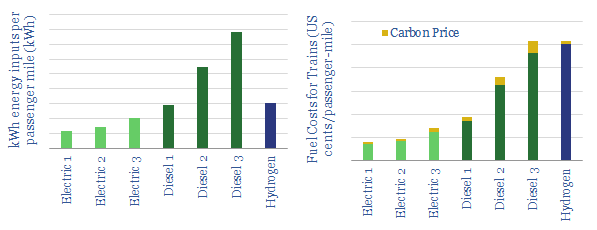
This data-file compares diesel trains, electric trains and hydrogen trains, according to their energy consumption, carbon emissions and fuel costs. The energy economics are best for electrifying rail-lines. Hydrogen costs must deflate 25-75% to be cost-competitive.
-
De-Carbonising Cars. Can Oxy-Combustion Save Gasoline?
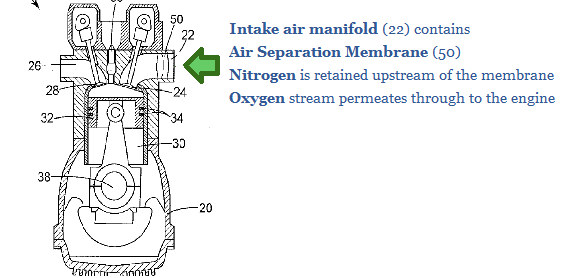
Could next-generation combustion technologies be used to decarbonise oil-fired transportation, raising the trajectory of long-term oil demand? We review a leading oil company’s patents to commercialise oxy-combustion in vehicles, along with the challenges. The outlook remains more positive for gas than for oil.
-
Can super-computers lower decline rates?
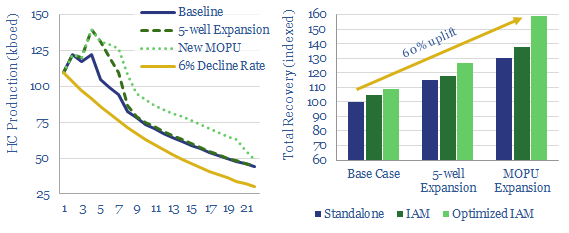
Advanced reservoir modelling can stave off production declines at complex offshore assets. This data-file illustrates how, tabulating production estimates based on a technical paper using Eni’s high-speed computer assets. 60% uplifts in LT production and EUR are achieved.
-
Johan Sverdrup: Don’t Decline
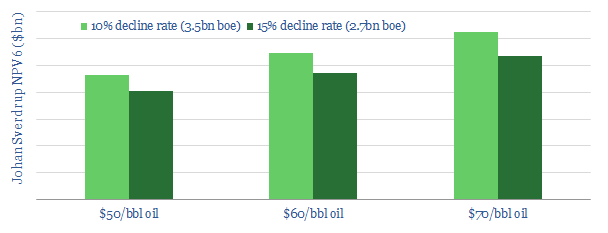
Equinor is deploying three world-class technologies to mitigate Johan Sverdrup’s decline rates, based on reviewing c115 of the company’s patents and dozens of technical papers. This 15-page note outlines how its efforts may unlock an incremental $3-5bn of value from the field, as production surprises to the upside.
-
Johan Sverdrup: Economic Model
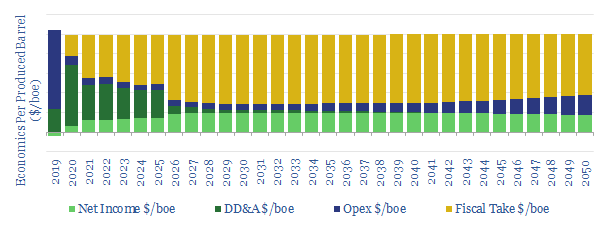
We have modelled the economics of Equinor’s Johan Sverdrup oilfield. Our model spans >250 lines of inputs and outputs, so you can flex key assumptions. In particular, we have tested the impact of different decline rates and recovery factors on the field’s ultimate value.
Content by Category
- Batteries (95)
- Biofuels (44)
- Carbon Intensity (48)
- CCS (64)
- CO2 Removals (9)
- Coal (41)
- Commentary (65)
- Company Diligence (104)
- Data Models (920)
- Decarbonization (162)
- Demand (129)
- Digital (86)
- Downstream (47)
- Economic Model (220)
- Energy Efficiency (76)
- Hydrogen (63)
- Industry Data (308)
- LNG (56)
- Materials (86)
- Metals (88)
- Midstream (45)
- Natural Gas (161)
- Nature (76)
- Nuclear (28)
- Oil (175)
- Patents (39)
- Plastics (44)
- Power Grids (155)
- Renewables (153)
- Screen (136)
- Semiconductors (35)
- Shale (58)
- Solar (72)
- Supply-Demand (53)
- Vehicles (95)
- Video (24)
- Wind (47)
- Written Research (405)