-
The Ascent of Small Scale LNG?
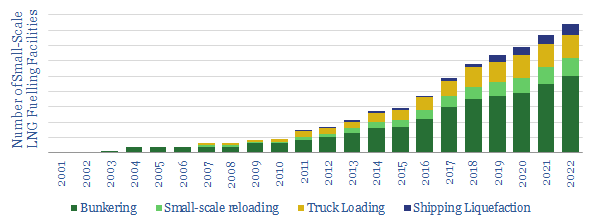
Large LNG projects make large headlines. But we are excited by the ascent of small-scale LNG facilities. At less than 1MTpa each, these facilities can be harder to track, which is the objective of this data-file. We find small LNG liquefaction capacity is set to double, to 25MTpa. Liquefaction facilities for shipping will rise 8x…
-
Investing for an Energy Transition
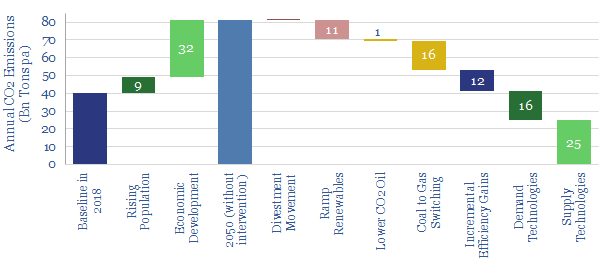
What is the best way for investors to drive decarbonisation? We argue a new ‘venturing’ model is needed, to incubate better technologies. CO2 budgets can also be stretched furthest by re-allocating to gas, lower-carbon oil and lower-carbon industry. But divestment is a grave mistake.
-
Production profiles: renewables vs oil and gas?
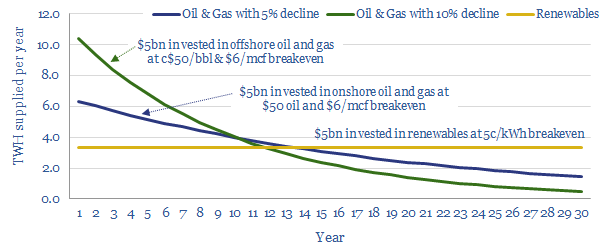
Further deflation of c50-70% is required before the world can truly “re-allocate” capital from fossil fuels to renewables, without causing near-term shortages. This is because fossil fuels’ production profiles are 2-3x more front-end loaded; despite comparable costs, breakevens and resource sizes. It is still necessary to attract adequate capital for both supply sources.
-
Drones & droids: deliver us from e-commerce
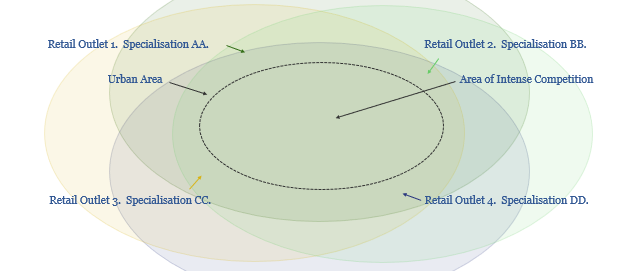
Small, autonomous, electric vehicles are emerging. They are game-changers: rapidly delivering online purchases to customers, creating vast new economic possibilities, but also driving the energy transition. Their ascent could eliminate 500MTpa of CO2, 3.5Mboed of fossil fuels and c$3trn pa of consumer spending across the OECD. The mechanism is a re-shaping of urban consumption habits,…
-
Value in Use: CO2 intensities of household items?
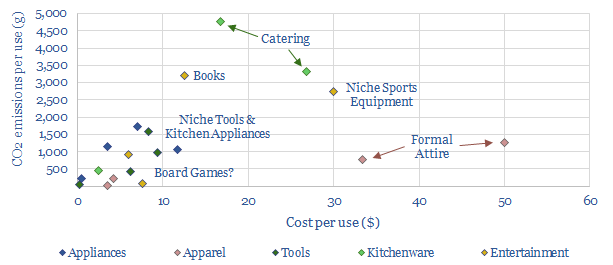
More extensive “sharing” will be enabled by drone delivery technologies and could save $1trn of costs and 100MTpa of CO2 emissions across the entire US. These numbers are illustrated by tabulating the data for 20 common household items, which we estimate are currently used just 20 times in their entire useful lives, thus costing $13…
-
Distribution Costs: Ships, Trucks, Trains and Delivery Vans?
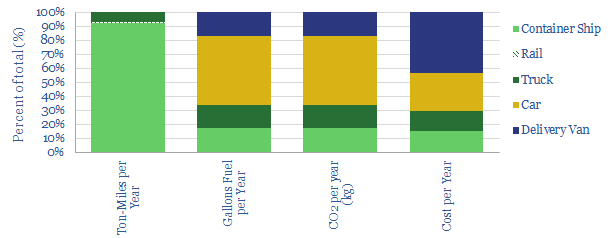
Distributing goods to the typical US consumer costs 1.5bbls of fuel, 600kg of CO2 and $1,000 per annum. The costs will increase 20-40% in the next decade, as the share of online retail doubles to c20%, hence new technologies are needed in last-mile delivery. This data-file provides a full breakdown of the numbers, across container-ships,…
-
CO2 intensity of natural gas value chains?
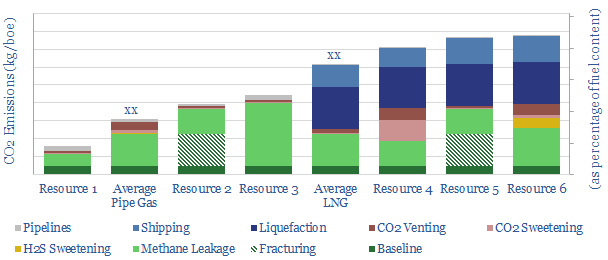
We have constructed a simple model to estimate full-cycle CO2 emissions of a gas resource, as a function of its production efficiency, contaminants (CO2 and H2S), and commercialisation (LNG or pipelines) . Compared with the life-cycle emissions of oil, CO2 per boe is seen to be c0-20% lower for LNG and c50-75% lower for piped…
-
Disrupting Agriculture: Energy Opportunities?
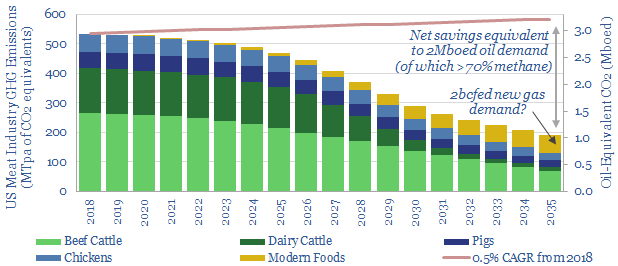
Precision-engineered proteins are on the cusp of disrupting the agriculture industry. The science is improving rapidly, to create meat-substitutes with vastly superior nutrition, taste and costs. We explore the energy consequences of “replacing cows”, with potential for 2bcfd upside to US gas demand, to offset the CO2 of all US oil demand, increase US biofuels…
-
At the cutting edge of EOR?
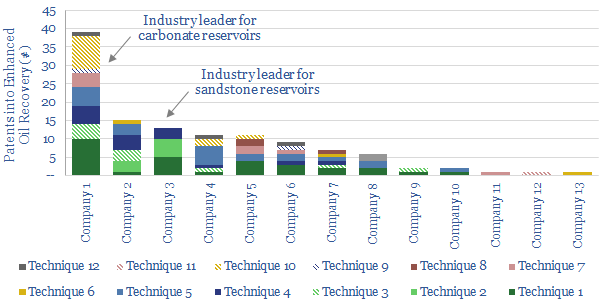
This data-file summarises 120 patents into Enhanced Oil Recovery, filed by the leading Oil Majors in 2018. Hence, we can identify clear leaders in EOR technology, and what they are doing at the cutting edge, to improve recovery and lower decline rates. As the world’s oilfields age, leading EOR technology will help avoid the higher…
-
Drone Attacks on Energy Assets?
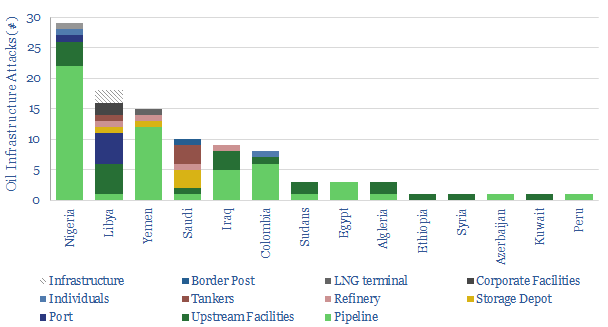
A devastating new wave of drone technologies could place the world’s largest and most vulnerable energy infrastructure into the firing line of aggressors. This short note reviews the ten facets of drone swarms that make them so dangerous. Hence we are increasingly concerned over supply disruptions in the 2020s.
Content by Category
- Batteries (96)
- Biofuels (44)
- Carbon Intensity (48)
- CCS (64)
- CO2 Removals (9)
- Coal (41)
- Commentary (65)
- Company Diligence (104)
- Data Models (922)
- Decarbonization (162)
- Demand (129)
- Digital (86)
- Downstream (47)
- Economic Model (221)
- Energy Efficiency (76)
- Hydrogen (63)
- Industry Data (308)
- LNG (56)
- Materials (86)
- Metals (88)
- Midstream (45)
- Natural Gas (161)
- Nature (76)
- Nuclear (28)
- Oil (176)
- Patents (39)
- Plastics (44)
- Power Grids (156)
- Renewables (153)
- Screen (137)
- Semiconductors (35)
- Shale (58)
- Solar (72)
- Supply-Demand (53)
- Vehicles (95)
- Video (24)
- Wind (47)
- Written Research (407)