-
CO2-Cured Concrete: Solidia vs traditional cement?
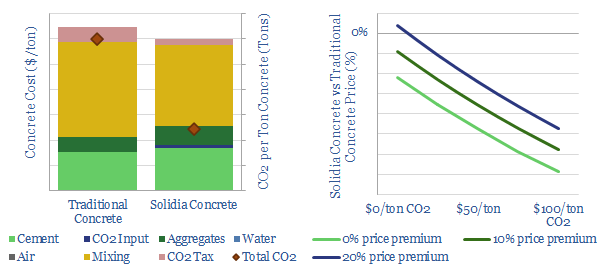
CO2-cured concrete has c60% lower emissions than traditional concrete, which is the most widely used construction material on the planet, comprising 4bn tons of annual CO2 emissions, or 8% of the global total. This data-file profiles the CO2 and economic costs of Solidia versus traditional cement, to size the opportunity.
-
On the road: long-run oil demand after COVID-19?
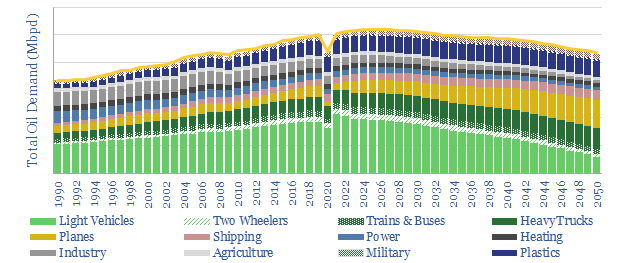
Another devastating impact of COVID-19 may still lie ahead: a 1-2Mbpd upwards jolt in global oil demand. This 17-page note upgrades our 2022-30 oil demand forecasts by 1-2Mbpd above our pre-COVID forecasts. The increase is from road fuels, reflecting lower mass transit, lower load factors and resultant traffic congestion.
-
Electric Rail Energy Economics?
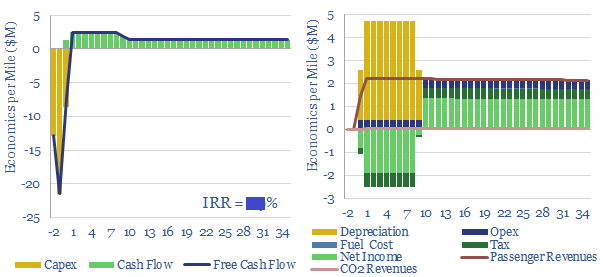
This data-file models the energy economics of constructing new electric rail lines, to displace automobile traffic and accelerate the energy transition. Electric rail saves around 1kT of CO2 per track-mile per year. But capex costs are challenging. Double digit returns may be achievable on large lines, outside the United States. CO2 prices do not materially…
-
Urban Traffic by Time and by Travel Speeds?
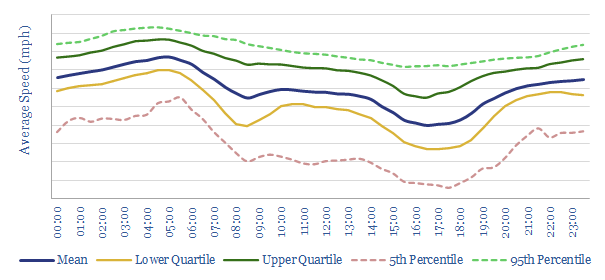
We have quantified the average speed of automobiles on a dozen highways and expressways flowing into New York City. Traffic is most severe at 4-5pm. The data suggest moderate-severe traffic conditions can curtail average vehicle fuel economy by 15-45% on highways leading in a typical city.
-
Leading Companies in Pipeline Gas Technology?
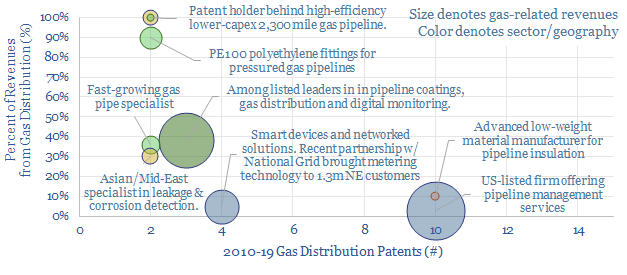
This data-file tracks 800 patents innovating pipeline transportation of natural gas, to screen for exciting technologies and companies. 6 publicly listed firms and 6 venture-stage start-ups stood out from the analysis, commercialising next-generation materials, monitoring methods and optimizing gas distribution.
-
Leading Companies in Battery Recycling?
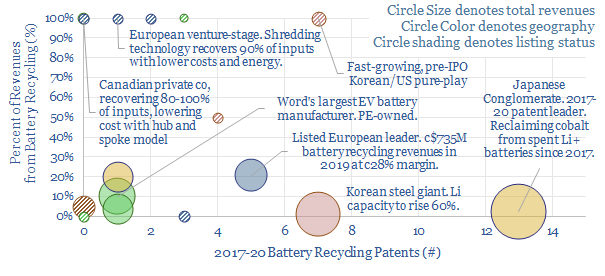
This data-file tracks over 6,000 patents filed into battery recycling technology, escalating at a 15% CAGR since 2000. 18 technology leaders are profiled ex-China, including 6 global, large-cap listed companies and 10 private companies, including some exciting, early-stage concepts to improve material recovery and costs.
-
Nature-based CO2 offsets: measuring forest and soil carbon?
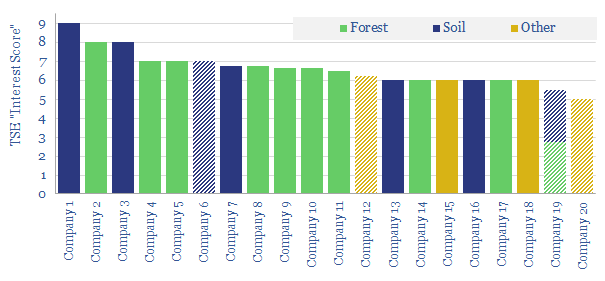
This data-file screens twenty companies measuring and verifying nature-based carbon offsets, in forests and soils. It includes 5 leading private companies at the cutting edge. Traditionally cumbersome, manual methodologies have evolved rapidly, towards technology-driven, real-time remote sensing, to enable the scale-up of nature-based CO2 offsets.
-
Decarbonize Heat?
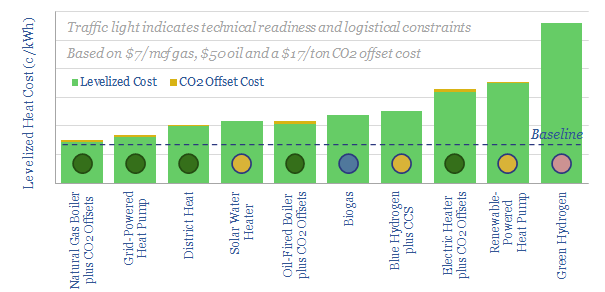
Natural gas fuels two-thirds of residential and commercial heating, which in turn comprises c10% of global CO2. We assessed ten technologies to decarbonize heat, including heat pumps, renewables, biogas and hydrogen. The lowest cost solution is to double down on natural gas with nature-based carbon offsets. Global gas demand for heating should continue rising.
-
District heating: the economics?
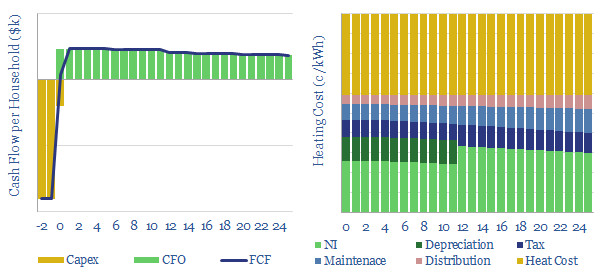
District heating can lower CO2 intensity, by piping waste heat from power generation or industry to consumers. Costs can vary by a factor of 10x. But our base case estimates a 10% IRR at 10c/kWh retail heating price. Please download the model to flex gas prices, household consumption rates or costs.
-
Reasons for travel: by purpose and mode of transport
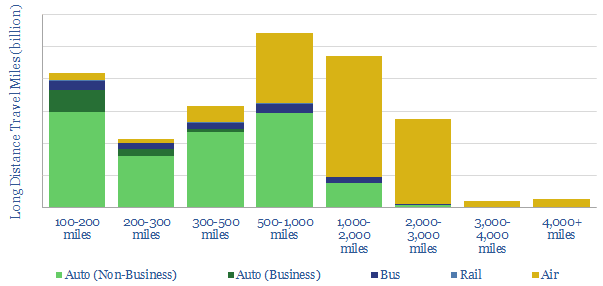
This database disaggregates 1.1trn miles of long-distance travel, by purpose, by transportation type and distance category, as context for COVID-19. c30% of long-distance travel is for business, c10% is commuting and c45% is for leisure. These splits vary markedly across planes, trains and automobiles.
Content by Category
- Batteries (96)
- Biofuels (44)
- Carbon Intensity (48)
- CCS (64)
- CO2 Removals (9)
- Coal (41)
- Commentary (65)
- Company Diligence (104)
- Data Models (922)
- Decarbonization (162)
- Demand (129)
- Digital (86)
- Downstream (47)
- Economic Model (221)
- Energy Efficiency (76)
- Hydrogen (63)
- Industry Data (308)
- LNG (56)
- Materials (86)
- Metals (88)
- Midstream (45)
- Natural Gas (161)
- Nature (76)
- Nuclear (28)
- Oil (176)
- Patents (39)
- Plastics (44)
- Power Grids (156)
- Renewables (153)
- Screen (137)
- Semiconductors (35)
- Shale (58)
- Solar (72)
- Supply-Demand (53)
- Vehicles (95)
- Video (24)
- Wind (47)
- Written Research (407)